Living in East Brunswick, NJ means seasonal swings: hot summers, nor’easters and freezing winters. For homeowners, weatherproofing starts at the garage door. This guide focuses on practical garage door repair strategies and weatherproofing measures tailored to our local climate so your garage stays dry, insulated and secure.
Why weatherproofing matters for garage door repair
A properly weatherproofed garage door reduces drafts, prevents water intrusion, and extends the life of your door and opener. When technicians perform garage door repair, they don’t just fix broken springs or sensors — they inspect seals, panels and tracks for weather damage. Addressing these items early reduces energy loss and avoids costly secondary damage to vehicles and stored belongings.
Key weatherproofing checks during garage door repair
When scheduling garage door repair, ask the technician to include a targeted weatherproofing checklist. The most important areas to inspect include:
- Bottom seal: A compressed or cracked bottom seal lets water and pests in. Replacing the seal prevents drafts and pooling water at the sill.
- Perimeter weatherstripping: Side and top seals should compress evenly when the door closes. Missing or torn weatherstripping is a common entry point for cold air and moisture.
- Thresholds: An ADA-style or ribbed threshold can create a better barrier on uneven concrete and undercuts.
- Panel integrity: Dents, gaps, or rusted seams reduce insulation value. A panel-level repair or replacement should be considered when damage is significant.
- Track and roller alignment: Misaligned tracks allow wind-driven rain to enter and shorten component life.
- Insulation: Add foam or foil-faced insulation to sectional doors to improve R-value; this also helps the opener work less on extreme days.
- Seals around utilities: Any openings for wiring or service access should be sealed with appropriate gaskets or caulk rated for exterior use.
These checks are standard parts of most comprehensive garage door repair visits and can be performed during a scheduled service appointment. For DIY-minded homeowners, simple things like replacing a bottom seal or caulking minor gaps are doable, but spring, cable and track repairs require professional attention.
Practical upgrades for East Brunswick homes
Upgrades are often more cost-effective than repeated small repairs. Consider these options:
Insulated doors and improved R-value
Upgrading to an insulated steel or composite door reduces heat loss and helps prevent condensation in summer months. A higher R-value door also reduces strain on HVAC systems in attached garages used as workshops or hobby spaces.
Heavy-duty bottom seals and thresholds
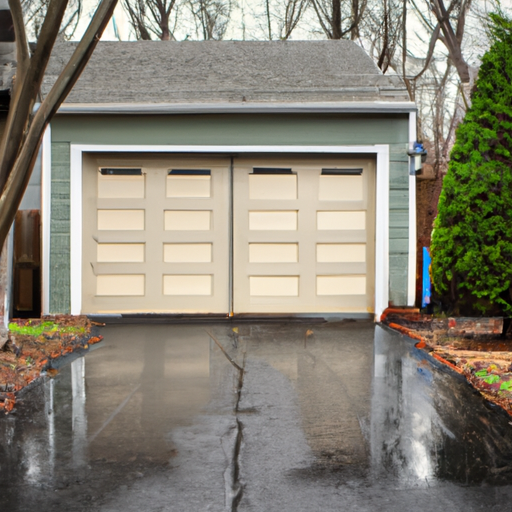
For homes near low spots or where road runoff is common, an elevated threshold combined with a flexible bottom seal offers a stronger barrier than a standard bulb seal.
Wind load and storm-ready hardware
If your neighborhood sees strong storms, reinforcing hardware and stronger track attachments reduce the chance of blow-ins. Storm-ready upgrades can be paired with garage door repair to meet local wind-load concerns.
To learn more about typical upgrades and seasonal advice, check detailed posts on our blog.
Seasonal maintenance calendar
Keeping a simple schedule makes weatherproofing manageable and affordable:
- Spring — Inspect seals and clear gutters/driveway drains; check rollers and tracks for debris after winter thaw.
- Summer — Test opener limits and balance; look for heat-related warping or fading on door panels.
- Fall — Replace worn bottom seals and weatherstripping; lubricate moving parts before cold sets in.
- Winter — Keep snow and ice away from the bottom seal; watch for condensation or coolant leaks in attached garages.
Scheduling a professional garage door repair inspection in the fall can prevent frozen problems later and is often recommended by local technicians.
What to expect from a local garage door repair visit
A focused visit from a qualified technician in East Brunswick, NJ usually includes:
- Visual inspection of seals, panels, tracks and opener.
- Testing door balance and opener force settings.
- Replacement of small wear items (bottom seal, weatherstripping) when needed.
- Written estimate for larger upgrades like insulated doors or threshold installation.
For direct scheduling and to discuss local permit questions or property-specific constraints, use our contact page to request a visit. If you’re ready for upgrades or want a service list, see our full services and pricing guide.
Cost expectations and budgeting
Prices vary with door size, materials and the scope of repair. Typical ranges for weatherproof-focused work in this area include:
- Bottom seal replacement: modest, often under $200 including parts and labor.
- Complete weatherstripping and threshold: $200–$600 depending on materials.
- Insulation for sectional doors: $300–$900 depending on R-value and labor.
- Full door replacement with insulated model: $900–$3,000+ depending on style and hardware.
These ranges reflect local labor and material costs. A focused garage door repair visit that addresses seals and alignment will often be the most cost-effective first step.
DIY fixes vs. professional garage door repair
Homeowners can manage light tasks safely:
- Replacing worn rubber seals or adhesive-backed weatherstripping.
- Clearing debris from tracks and applying recommended lubricants to rollers and hinges.
- Caulking small gaps around the frame with exterior-grade sealant.
Leave these to professionals:
- Spring, cable or torsion adjustments (dangerous if handled improperly).
- Track realignment or major panel repairs.
- Electrical or opener motor replacements tied to safety systems.
When in doubt, a single professional garage door repair visit can diagnose issues and suggest a maintenance plan that saves money over time.
Local considerations: East Brunswick weather and codes
East Brunswick’s freeze–thaw cycles can lift concrete and compress seals prematurely. If you live on a low block or near drainage channels, emphasize threshold solutions. While most weatherproofing upgrades don’t require permits, structural door replacements or changes to the garage as a living space may trigger building department rules; your service visit should flag any permit needs.
Checklist before signing a repair quote
- Written itemization of parts and labor for weatherproofing tasks.
- Clear warranty terms for seals, insulation and hardware.
- Timeline for completion and any follow-up maintenance recommended.
- Verification that the technician will remove old materials and leave the area clean.
Clear communication helps ensure that a garage door repair visit delivers both immediate fixes and longer-term protection.
Final tips for long-term protection
Regular inspection, seasonal maintenance and timely repairs prevent small leaks from becoming large problems. Combining insulation, robust seals and threshold solutions gives the best bang for your investment and reduces energy loss in attached garages used for work or storage.
If you want tailored advice for your door, schedule a local inspection through our contact page or read homeowner guides on our blog. For a complete list of options and pricing, view our services page.
Protecting your garage with proper weatherproofing is a smart home improvement choice that improves comfort and preserves value. Local technicians familiar with East Brunswick conditions can prioritize fixes that deliver immediate relief and long-term savings.
Frequently Asked Questions — East Brunswick, NJ
Q: How long does a typical weatherproof-focused garage door repair take?
A: Most visits that replace a bottom seal, adjust weatherstripping and realign tracks take 1–2 hours. If insulation or a new threshold is required, expect a half-day to full-day job depending on door size.
Q: Does East Brunswick require permits for garage door replacements or weatherproofing?
A: Small repairs and weatherproofing (seals, thresholds, insulation) normally do not need permits. Full door replacements or structural changes can trigger a permit; your technician should flag permit needs during the estimate.
Q: What price range should I expect for weatherproofing work in NJ?
A: Simple seal and weatherstripping work is often under $300. Thresholds, insulation kits and heavier upgrades range from $300 to $1,200. Full insulated door replacements can run $900–$3,000+, depending on materials and hardware.
Q: Will weatherproofing affect my garage door warranty?
A: Factory warranties on doors usually remain valid if approved parts and professional installation are used. Keep invoices and ask the installer to document parts and methods to preserve warranty coverage.
Q: When should I schedule weatherproofing to avoid winter problems?
A: Schedule inspections and seal replacements in early fall. That timing allows you to address thresholds and insulation before hard freezes and heavy precipitation arrive.
Helpful local resources in East Brunswick, NJ
- Garage Door Repair Hoboken
- Garage Door Repair Montclair
- Garage Door Repair Westfield
- Garage Door Repair Summit
- Garage Door Repair Maplewood
- Garage Door Repair Livingston
- Garage Door Repair Short Hills
- Garage Door Repair Princeton
- Garage Door Repair Red Bank
- Garage Door Repair Morristown
- Garage Door Repair Chatham
- Garage Door Repair Mendham
- Garage Door Repair Bernardsville
- Garage Door Repair Bedminster
- Garage Door Repair Clinton
- Garage Door Repair Tenafly
- Garage Door Repair Ridgewood
- Garage Door Repair Upper Saddle River
- Garage Door Repair Wyckoff
- Garage Door Repair Basking Ridge
- Garage Door Repair South Orange
- Garage Door Repair Teaneck
- Garage Door Repair Fort Lee
- Garage Door Repair East Brunswick
- Garage Door Repair Montvale
- Garage Door Repair Haddonfield
- Garage Door Repair Marlboro
- Garage Door Repair Cranford
- Garage Door Repair Voorhees
- Garage Door Repair North Caldwell