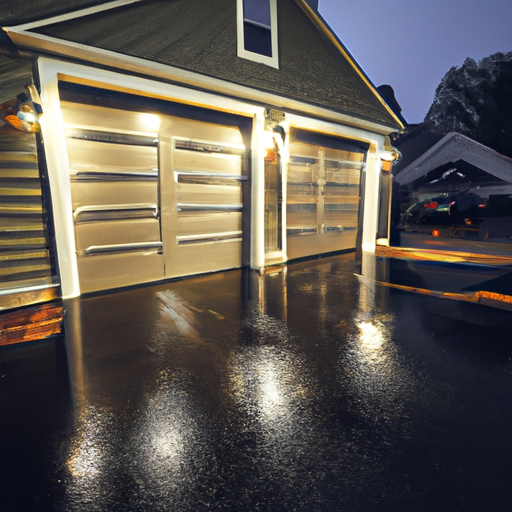
If your evenings in East Brunswick, NJ are punctuated by clanks, rattles, or a loud garage door opening, a focused garage door replacement can make a dramatic difference. Homeowners often choose full replacement not just for appearance or security, but to cut noise that echoes through attached rooms and across suburban yards.
Why older doors get noisy
Noise from garage doors typically comes from three sources: the door panels and their material, worn hardware and rollers, and the opener. Older doors shift and settle, broken seals and stiff rollers amplify vibration, and dated openers can be loud when they start and stop. When planning garage door replacement, treating each of these sources is the key to lasting noise reduction.
Noise reduction strategies during garage door replacement
When you budget for garage door replacement, consider these proven solutions that work well for East Brunswick homes and similar suburban properties.
Choose quieter door materials
- Insulated steel or composite doors absorb vibration better than single-layer metal.
- Wood doors look great but can creak with seasonal humidity shifts; engineered options mimic wood with quieter operation.
- Thicker, insulated panels add mass and reduce transmitted sound into the house.
Upgrade rollers, hinges, and springs
Hardware matters. Nylon rollers run significantly quieter than metal rollers and resist freezing in cold NJ weather. Replacing worn hinges and switching to a balanced spring system reduces strain and rattling. During a replacement project, request premium hardware to avoid recurring noise issues.
Pick a low-noise opener
The garage door opener is often the loudest single part. Belt-drive openers are noticeably quieter than chain drives; screw drives fall in between. Modern openers also include soft-start/stop settings that cut banging at endpoints—helpful if your garage is attached to living areas.
Seal gaps and add acoustic trim
Even a well-built door can let noise through gaps. Weatherstripping at the sides and bottom, a tight header seal, and an insulated top panel reduce sound leakage. For extra suppression, add an acoustic threshold or a noise-absorbing layer along the inside face of the door panels where allowed by the manufacturer.
Practical installation tips for East Brunswick homeowners
Local climate and house type matter when planning garage door replacement. Salt air is not a major issue inland here, but seasonal temperature swings and humidity affect materials and seals.
- Ask your installer to check door alignment and balance at installation to prevent long-term vibration.
- Request nylon rollers and sealed bearings if noise is the main concern.
- Consider insulated tracks or rubber mounts for the opener to reduce frame-borne noise.
- Locate the opener on a vibration-isolating pad if the motor is near the living space.
For examples and homeowner tips on what to expect, read our local posts in the blog where we compare common setups and real installs in similar NJ neighborhoods.
Materials, costs, and what to expect on price
Noise-reduction features add to the cost of a garage door replacement, but they often pay back in comfort and reduced maintenance. Basic uninsulated single-layer doors are cheapest but offer little sound control. Insulated steel doors with quality hardware and a belt-drive opener are mid-range and provide a significant noise improvement; fully engineered or wood-look insulated doors are at the higher end.
Typical local price brackets for replacement (materials + professional installation) in this area:
- Budget (basic single-layer door, standard opener): lower cost but minimal noise reduction.
- Mid-range (insulated panels, nylon rollers, belt opener): best balance of quiet and value.
- Premium (composite or wood-look insulated doors, advanced hardware): higher cost, superior quiet and curb appeal.
Ask installers for itemized quotes showing the door, rollers, springs, opener type, and sealing work so you can compare how each choice affects noise and longevity.
Timeline, permits, and warranty notes for NJ projects
Most garage door replacement jobs in East Brunswick are completed in a day or two if parts are in stock. Custom doors or major framing adjustments increase the schedule.
- Permits: Replacing a like-for-like door usually does not require a building permit, but structural changes or enlarging the opening may. Check local East Brunswick code or ask a licensed installer to verify.
- Weather: NJ seasonality can affect scheduling—insulation and weatherstripping installs are best when adhesive and seal materials can cure properly. Avoid very cold days for full-seal installations.
- Warranties: Verify door panel, hardware, and opener warranties. A quality installer will offer labor warranty on the replacement and set-up.
Choosing an installer and keeping noise down after replacement
Pick a local installer experienced with noise-control measures. Good pros will balance the door, install nylon rollers, set springs correctly, and program the opener for smooth starts and stops. After installation, schedule a short follow-up to adjust tension and lubricate moving parts; little tweaks reduce noise over time.
Our services team can walk you through material choices, expected timelines, and local permit questions—see the full list on our services page for details and sample projects.
Final checklist before you schedule replacement
- Decide on the door material and insulation level for noise goals.
- Choose nylon rollers and a belt-drive opener if quiet operation is a priority.
- Confirm quality hardware and a labor warranty with the installer.
- Verify whether your project requires a permit with your installer or the township.
If you want a quick, local estimate or have questions about a specific door model, contact us and we’ll schedule a site review to recommend the right noise-reduction plan for your home.
Q: Will a garage door replacement help with sound transfer into an attached room?
A: Yes. Replacing single-layer panels with insulated steel or composite panels plus adding weatherstripping and nylon rollers reduces vibration and airborne noise entering adjacent rooms.
Q: How long does a quiet garage door replacement typically take in East Brunswick?
A: A standard door swap with parts in stock usually takes one day. Custom doors or structural changes can extend the job to two or more days—your installer should provide a clear timeline before work begins.
Q: Do NJ weather conditions affect noise after replacement?
A: Seasonal humidity and cold can change how seals and wood expand or contract. Choosing engineered or insulated doors and proper seals minimizes seasonal noise changes common in NJ.
Q: What price range should I expect for a noise-focused garage door replacement?
A: Budget doors cost less but offer limited noise control. Expect mid-range prices for insulated doors with nylon rollers and a belt-drive opener; premium materials and custom sizes increase the cost. Get itemized quotes to compare.
Q: Are permits required for garage door replacement in East Brunswick?
A: Replacing a door like-for-like usually does not require a permit. Structural changes or enlarging the opening may. Confirm with the township or your licensed installer before work starts.
Helpful local resources in East Brunswick, NJ
- Garage Door Repair Hoboken
- Garage Door Repair Montclair
- Garage Door Repair Westfield
- Garage Door Repair Summit
- Garage Door Repair Maplewood
- Garage Door Repair Livingston
- Garage Door Repair Short Hills
- Garage Door Repair Princeton
- Garage Door Repair Red Bank
- Garage Door Repair Morristown
- Garage Door Repair Chatham
- Garage Door Repair Mendham
- Garage Door Repair Bernardsville
- Garage Door Repair Bedminster
- Garage Door Repair Clinton
- Garage Door Repair Tenafly
- Garage Door Repair Ridgewood
- Garage Door Repair Upper Saddle River
- Garage Door Repair Wyckoff
- Garage Door Repair Basking Ridge
- Garage Door Repair South Orange
- Garage Door Repair Teaneck
- Garage Door Repair Fort Lee
- Garage Door Repair East Brunswick
- Garage Door Repair Montvale
- Garage Door Repair Haddonfield
- Garage Door Repair Marlboro
- Garage Door Repair Cranford
- Garage Door Repair Voorhees
- Garage Door Repair North Caldwell